Center for Responsible
Educational Technology
When is educational technology responsible?
Many of the challenges facing education could be helped through technological solutions, but the details of how a solution is designed and integrated, and when it is used make the difference between helping and making things worse. At CREDtech, we take critical, practice, and design orientations in our research to inform the ways that emerging technologies like artificial intelligence can responsibly address grand challenges facing schooling, higher education, professional development, and lifelong learning.
Grand Challenges
Teacher shortage
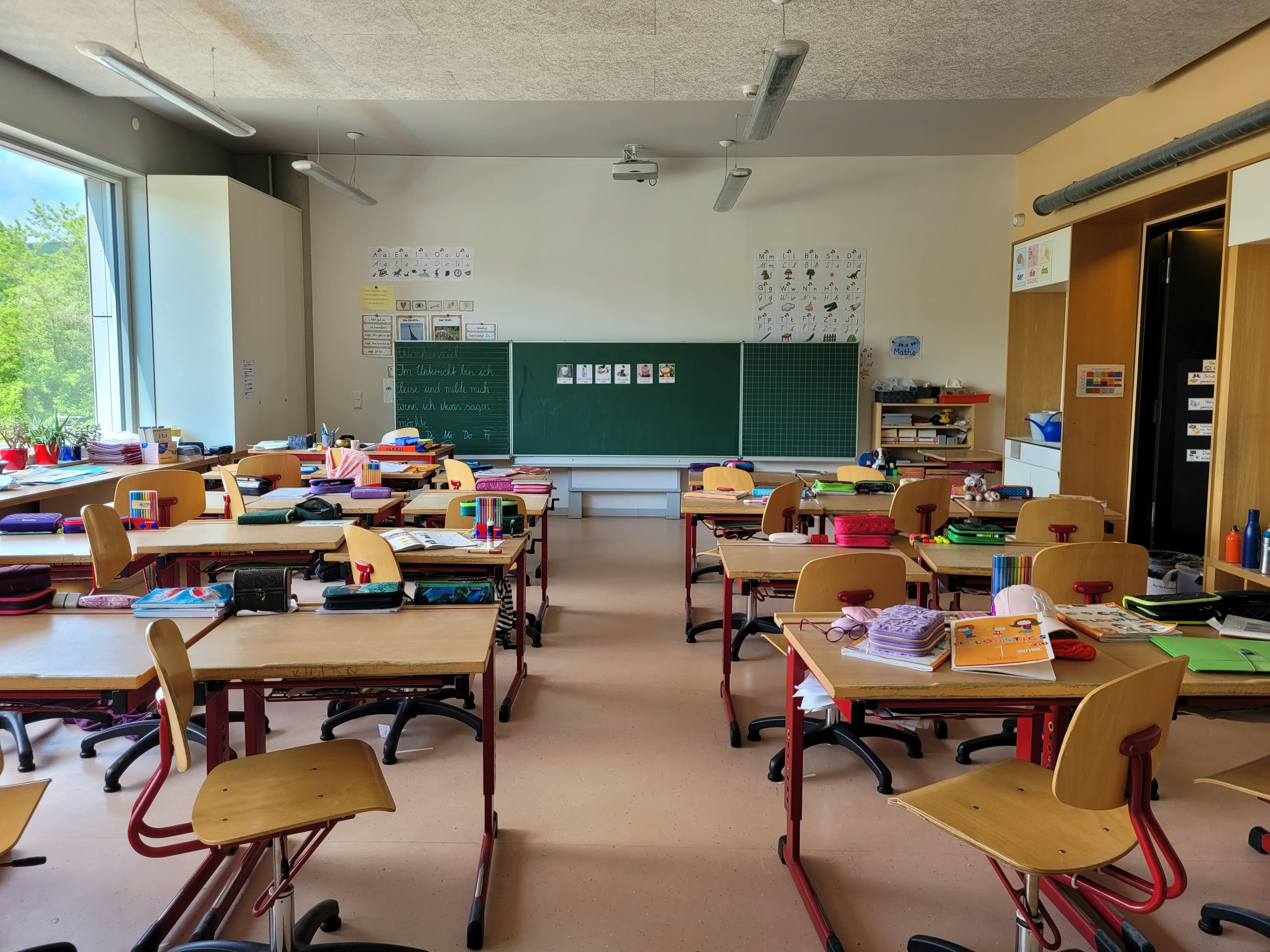
Almost all EU countries are predicting significant teacher shortages by 2035 at all levels of education. Already in Sweden, nearly 30% of those teaching in compulsory schooling lack qualifications (Education & Training Monitor, 2023).
Increasing demand
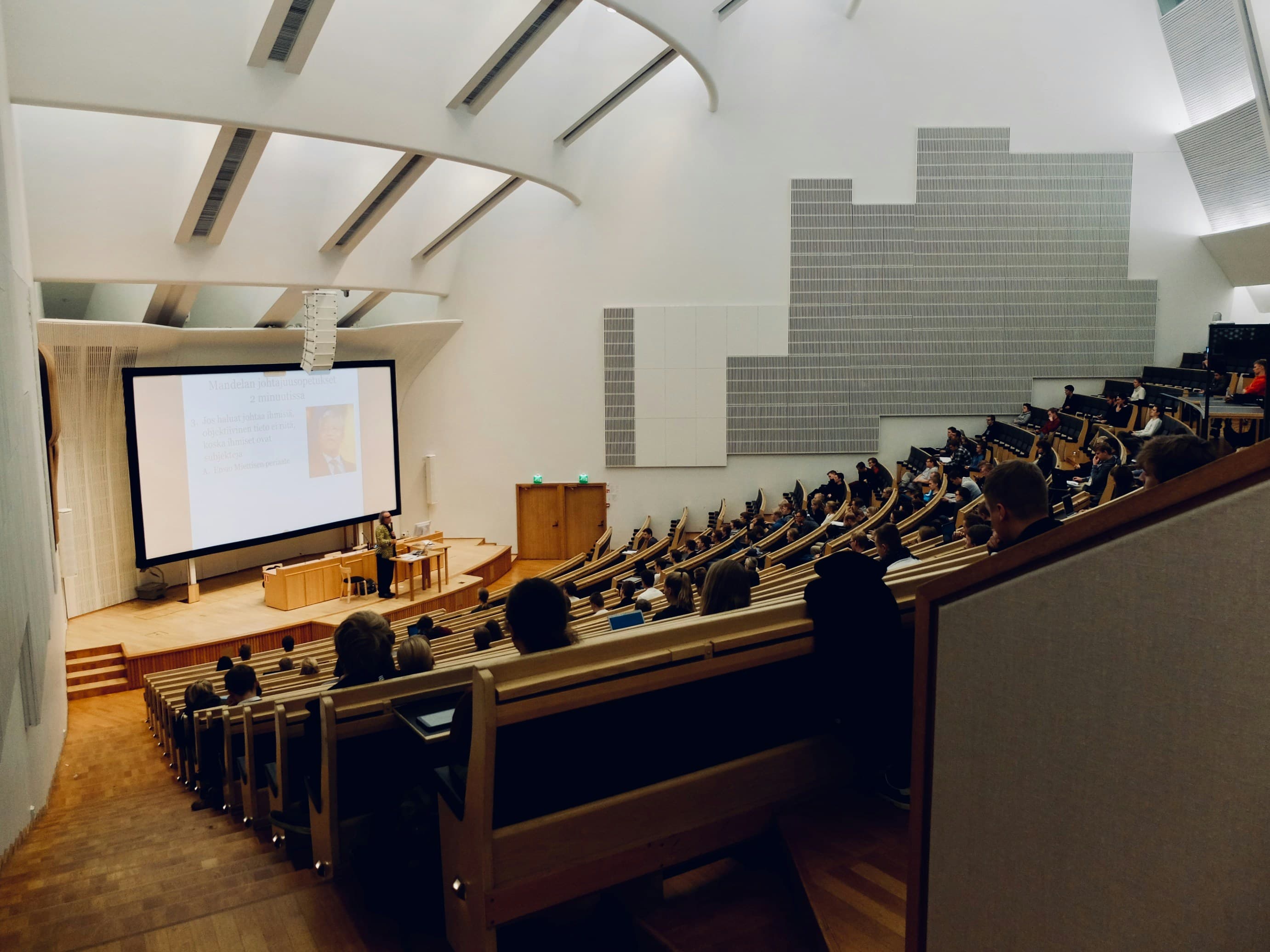
Recent years have seen a trend toward increasing demand for lifelong learning in the EU. In 2021, almost 35% of adults in Sweden reported recent engagement in lifelong learning activities, up from 26% in 2011 (Eurostat, 2021).

Unequal outcomes
Rates of underachievement are increasing. Comparing 2012 and 2022 results, disparities in educational outcomes and numbers of students with special needs are growing in Sweden (Comparative analysis of PISA, 2024).

Environmental limits
Digital solutions in education aren't the green alternative we often assume. Datacenters and device manufacturing are resource and energy intensive (UNEP, 2024).

Algorithmic opacity
Over 60% of AI systems used in education in the EU lack transparency about their training data and underlying models (EC Report, 2023).

Platform dependency
More than 90% of schools in OECD countries are dependent on one of three major tech companies for their core digital infrastructure (OECD, 2024).

Broken knowledge ecologies
AI-produced and curated material increasingly dominates digital sources undermining innovation, cultural richness, and social trust (Peterson, 2025).

Shortened skill life cycles
Technical skills are becoming obsolete at almost twice the rate they were a decade ago making continuous reskilling essential for learners and professionals alike (World Economic Forum, 2025).

Dehumanization
The rapid growth of digital surveillance and algorithmic decision making risks disrupting the relational and human dimensions of education (ACLU, 2023).
Educational technology innovation in context
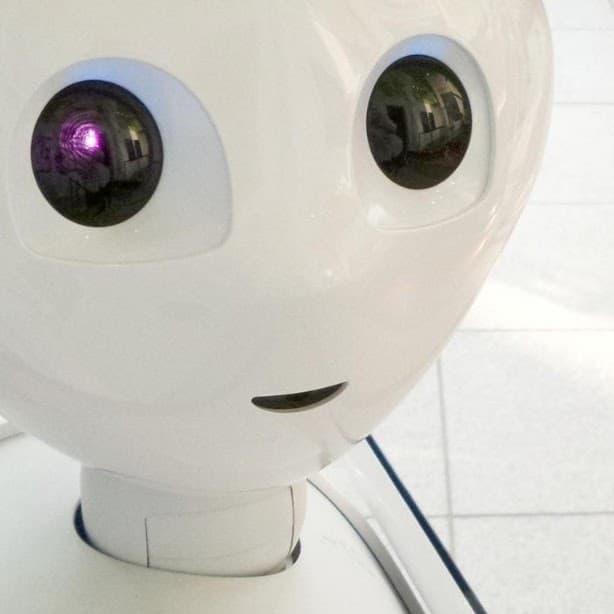
The pace of technological innovation is quick with new educational technologies arriving constantly while others fall out of favour. At CREDtech, we set technological innovation in context by understanding the histories that have led to the latest arrivals. Our focus is on producing knowledge in relation to the lineages of development and application that are most relevant to education, such as the technologies of automation, scale, simulation, and presence.

Automation
Scale

Simulation
Presence
Global Policy Impact
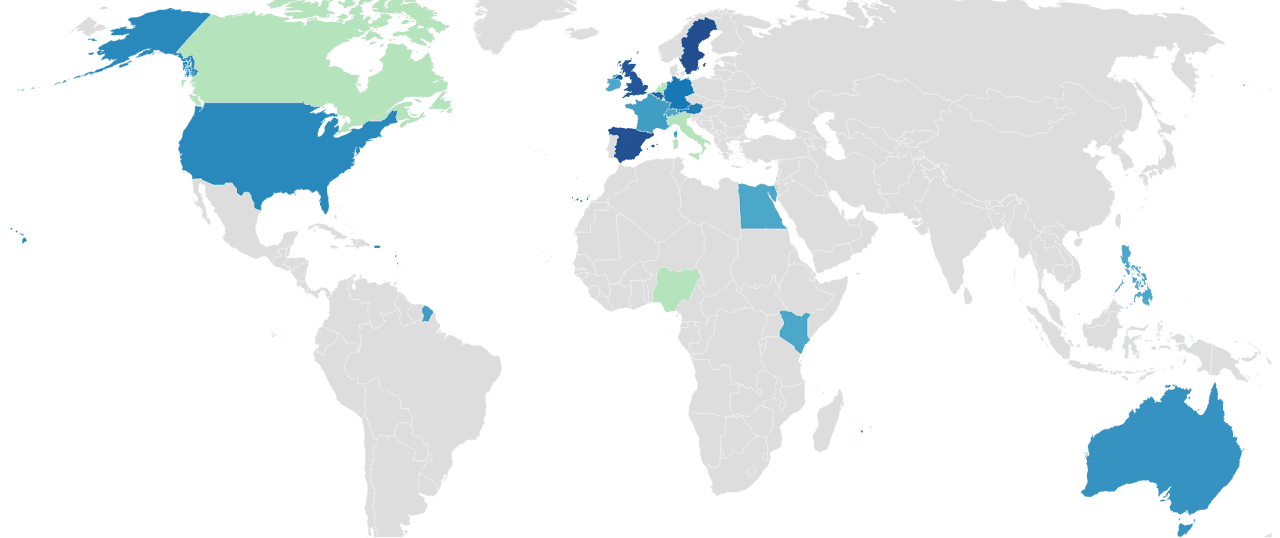
CREDtech research is regularly mentioned in education policy documents at the international, European, national, and regional levels.
Gothenburg Knowledge Lab
Established in 2010, Gothenburg Knowledge Lab is a space for educational design-oriented development work. This work is done partly in collaboration with schools in the region, but primarily with a focus on educational activities at the university. In addition to working with development-oriented projects, Knowledge Lab is also an important resource for CREDtech research.

Members

Thomas Hillman
Professor of Applied Information Technology for Education

Johan Lundin
Professor of Informatics with Specialization in Learning

Annika Bergviken Rensfeldt
Professor of Applied Information Technology for Education

Charlott Sellberg
Professor of Information Technology and Learning
Ylva Hård af Segerstad
Professor of Communication

Oskar Lindwall
Professor of Communication

Marisa Ponti
Associate Professor of Informatics

Sofia Serholt
Associate Professor of Information Technology and Learning

Martyna Galazka
Associated Professor in Cognitive Science
Christina Löfving
Senior Lecturer in Education
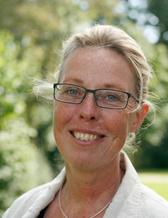
Ann-Marie Eriksson
Senior Lecturer in Education
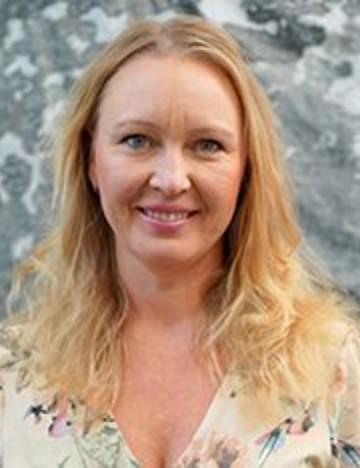
Elin Ericsson
Adjunct Senior Lecturer

Mattias von Feilitzen
Educational Developer, Director of Gothenburg Knowledge Lab
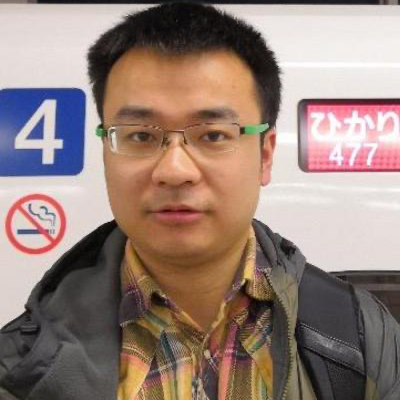
Bo Yang
Doctoral Candidate
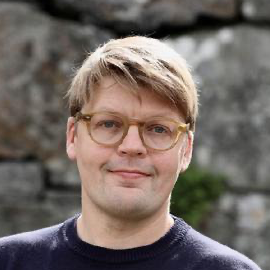
Erik Winerö
Doctoral Candidate

Izabella Csonka
Doctoral Candidate

Petronella Ekström
Doctoral Candidate
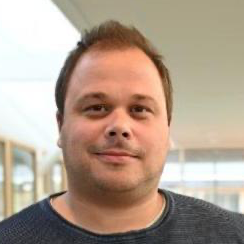
Marcus Kristensen
Doctoral Candidate

Hannes Lundkvist
Doctoral Candidate
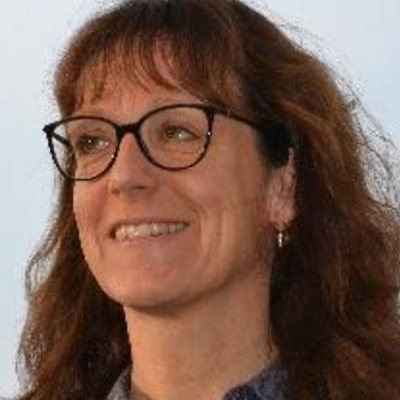
Marie Utterberg Modén
Researcher

Svea Kiesewetter
Guest Researcher

Susan Harrington
Guest Researcher